ICOM IC-A25N Handheld NAV/COM Transceiver w/ Bluetooth – Open Box: Professional Aviation Backup Radio
ICOM IC-A25N Handheld NAV/COM Transceiver w/ Bluetooth – Open Box: Professional Aviation Backup Radio
Blog Article
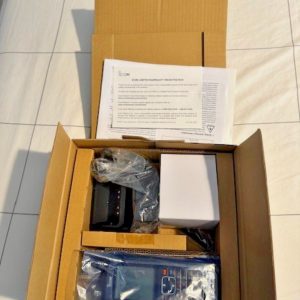
:::writingvariant="document" id="58314" ICOM IC-A25N Handheld NAV/COM Transceiver w/ Bluetooth – Open Box: Advanced Pilot Communication The ICOM IC-A25N Handheld NAV/COM Transceiver w/ Bluetooth – Open Box provides pilots and aviation professionals with a convenient combination of communication, navigation support, portable operation, and wireless connectivity. For budget-conscious pilots, an open-box radio may provide a practical balance between modern functionality, reliable construction, and competitive purchase value. An ICOM IC-A25N Handheld NAV can support pilots who need a portable radio for cockpit backup, preflight monitoring, flight training, and general aviation communication. The ICOM IC-A25N Aviation Radio offers portable flexibility for aircraft owners who do not want to rely exclusively on panel-mounted communication equipment. A portable ICOM IC-A25N Handheld Radio supports flexible aviation operations because it can remain with the pilot rather than being permanently installed in one aircraft. A Handheld NAV/COM Aviation Transceiver can reduce the need to carry separate portable communication and navigation receivers for certain aviation tasks. Whether the requirement is a Handheld Aviation Radio, Aviation NAV/COM Radio, Pilot Handheld Radio, or Aircraft Communication Radio, buyers should review package condition, included accessories, battery health, and operational compatibility before purchase. The product can support pilots seeking a Portable Aviation Transceiver, Aviation Navigation Radio, ICOM Pilot Radio, or dependable Backup Aircraft Radio.
Why Pilots Choose the ICOM IC-A25N Handheld Radio
A multifunction handheld radio can provide useful redundancy and flexibility for pilots who regularly operate in different aircraft or environments. Its practical value comes from combining mobility, recognizable controls, aviation-focused operation, rechargeable power, and multiple communication or navigation functions. A handheld radio can provide valuable support, but performance may depend on antenna position, aircraft structure, terrain, distance, interference, battery condition, and operating environment. A backup radio provides greater value when the pilot has already practiced frequency selection, volume adjustment, navigation functions, Bluetooth setup, and battery management.Benefits of the ICOM IC-A25N Handheld NAV
A handheld NAV radio can be valuable to flight instructors who demonstrate aviation communication and navigation concepts during training. Private pilots may carry the get more info device during cross-country flights, aircraft repositioning, fly-ins, or travel in rented airplanes. Pilots should verify information using suitable aviation references and avoid relying on one portable device for every navigation decision. A complete preflight review can confirm that the radio is charged, configured, accessible, and ready to support the planned operation.Choosing an ICOM IC-A25N Aviation Radio
An ICOM IC-A25N Aviation Radio can serve pilots who need portable communication for flight operations, aircraft delivery, training, airport coordination, or emergency preparedness. Flight instructors can use the device as supplemental equipment during ground lessons, aircraft walkarounds, and selected training exercises. An open-box product should be evaluated carefully even when it appears unused or lightly handled. Testing should occur in a lawful and appropriate manner without creating unauthorized transmissions or interfering with aviation communications.ICOM IC-A25N Handheld Radio Convenience
A compact radio can remain in a flight bag alongside headsets, charts, flashlights, batteries, and other essential pilot equipment. A secure carrying arrangement can keep the radio accessible without allowing it to move around the cockpit during turbulence or abrupt maneuvering. Portability also allows the radio to be charged and configured away from the aircraft, helping pilots prepare frequencies and settings before entering the cockpit. The radio should be removed from environments where condensation, fuel, oil, cleaning products, or maintenance debris may cause damage.Handheld NAV/COM Aviation Transceiver Applications
The integrated format can reduce the need to carry separate handheld receivers for several common aviation tasks. Users should consider how frequently the radio will be carried, whether Bluetooth is required, and which accessories are needed for their aircraft or headset. The radio should be inspected before every important flight for battery charge, antenna security, control response, display condition, volume setting, and physical damage. The antenna, battery, charger, headset adapter, belt clip, and other accessories should remain organized with the radio.Maintaining a Handheld Aviation Radio
Handheld radios provide communication flexibility where panel equipment is unavailable, temporarily unpowered, difficult to access, or assigned to another aircraft. Regular practice and maintenance turn a handheld device into meaningful backup equipment rather than an unverified accessory. Users may experience improved range when the antenna has a clear position compared with operation deep inside a metal airframe or enclosed structure. Users should understand local procedures before transmitting from airports, airshows, training areas, or ground facilities.Aviation NAV/COM Radio Functions
The combined platform can be useful during training because students can explore aviation radio functions with one portable device. Important features should be practiced on the ground before the radio is used during high-workload phases of flight. Users should distinguish between convenience features, backup capability, training value, and equipment required for a particular flight. A structured preflight routine helps the Aviation NAV/COM Radio deliver reliable and practical support.Pilot Handheld Radio Applications
A portable radio can remain with the pilot when changing aircraft, allowing consistent access to a familiar communication device. The device should remain accessible to the pilot without becoming a loose object or interfering with cockpit controls. A pilot should practice basic operations such as powering on, selecting a frequency, adjusting audio, transmitting appropriately, using memory functions, and checking battery status. The radio’s charging schedule should reflect how often it is used and how long it remains stored between flights.Maintaining an Aircraft Communication Radio
Portable aircraft radios are useful when installed equipment is unavailable, an aircraft is unpowered, or personnel need communication away from the cockpit. Clear communication depends on more than radio quality because users must understand procedures, frequencies, terminology, timing, and radio discipline. A portable radio may operate differently from the aircraft’s main communication system because antenna size, antenna position, output, and cockpit shielding can affect performance. A cracked housing, loose antenna connection, damaged battery latch, or unreliable control can affect usability even when the radio still powers on.Using a Portable Aviation Transceiver
A compact transceiver may remain available during electrical shutdowns, maintenance events, panel upgrades, or aircraft storage. A portable unit is easier to transport than installed avionics, but it also requires careful management of batteries, antennas, chargers, cables, and accessories. Bluetooth operation should be tested in advance because pairing status, battery condition, compatibility, audio routing, and device settings can influence performance. Careful setup allows portable wireless communication features to improve convenience without creating unnecessary cockpit distraction.Aviation Communication Device Applications
Pilots should select communication equipment according to mission requirements, aircraft type, operating area, training needs, and backup planning. Transparent condition information allows the purchaser to judge whether the price reflects the package accurately. Aviation businesses should establish procedures for cleaning shared microphones, headsets, controls, and surfaces where appropriate. Training should cover normal communication, navigation-related functions, emergency use, battery care, Bluetooth setup, and storage.Handheld Aircraft Radio Benefits
Flight instructors can carry the radio during aircraft walkarounds, ramp exercises, and selected student-training activities. The radio provides practical value wherever access to aviation communication is useful away from a powered instrument panel. The unit must remain accessible without forcing the pilot to look away from primary responsibilities for an extended period. Charging ports and connectors should remain dry and free from debris before accessories are attached.Maintaining an Aviation Navigation Radio
An Aviation Navigation Radio can support pilot situational awareness by providing portable access to compatible navigation-related functions and information. The radio should be configured on the ground whenever possible instead of during high-workload cockpit operations. Pilots remain responsible for route planning, weather evaluation, airspace awareness, fuel management, and safe aircraft control. A radio that has not been used recently may require charging, configuration review, Bluetooth reconnection, and accessory inspection.ICOM Pilot Radio Applications
Pilots may choose an ICOM Pilot Radio because they want one familiar handheld device for training, travel, cockpit backup, and ground operations. Accessories, manuals, packaging, warranty eligibility, and previous registration may affect the practical and commercial value of the radio. Buyers should compare the offered radio with their headset, Bluetooth devices, aircraft environment, charging resources, and expected operating frequency. Once acquired, the radio should be labeled, documented, configured, charged, tested, and stored in an accessible location.Using an Emergency Aviation Radio
Emergency value depends on the radio being charged, accessible, configured, and familiar to the pilot before a problem occurs. Cockpit structure, antenna location, terrain, altitude, weather, buildings, and battery condition can influence emergency performance. Emergency preparation may include checking battery endurance, carrying an appropriate backup power source, protecting the antenna, and confirming headset compatibility. Battery packs should be replaced when capacity declines, physical damage appears, charging becomes unreliable, or the manufacturer’s guidance indicates replacement.Backup Aircraft Radio Applications
A Backup Aircraft Radio provides communication redundancy for pilots who want an alternative to the primary panel-mounted transceiver. A backup device should not be neglected simply because it is not used during every flight. A dedicated flight-bag pocket, protective mount, or secured cockpit storage area may provide suitable access. Pilots should use clear, concise communication and follow appropriate procedures for the situation and operating environment.Evaluating an Open-Box Aviation Radio
Buyers should review the radio body for scratches, cracks, missing labels, damaged controls, loose components, or wear around frequently handled areas. The package should be compared with the seller’s inventory to confirm the radio, battery, antenna, charger, adapters, clip, documentation, packaging, and other included accessories. Functional testing should include power-on behavior, charging, control response, display operation, speaker audio, microphone function where appropriately tested, and accessory recognition. The buyer should inspect the radio promptly after delivery and report any missing items, damage, or functional concerns according to the agreed terms.Long-Term Ownership of an ICOM IC-A25N
Preventive care helps preserve the display, controls, battery, housing, antenna connection, charger, and accessories. Reliable readiness comes from planned inspection, charging, practice, and responsible storage.- Examine high-use areas regularly and document any repair, battery replacement, charging concern, impact, or intermittent operation.
- Keep the operating guide or a simple quick-reference resource accessible until important functions are fully familiar.
- Record any missing component, operating concern, battery issue, or required service before returning the radio to backup status.